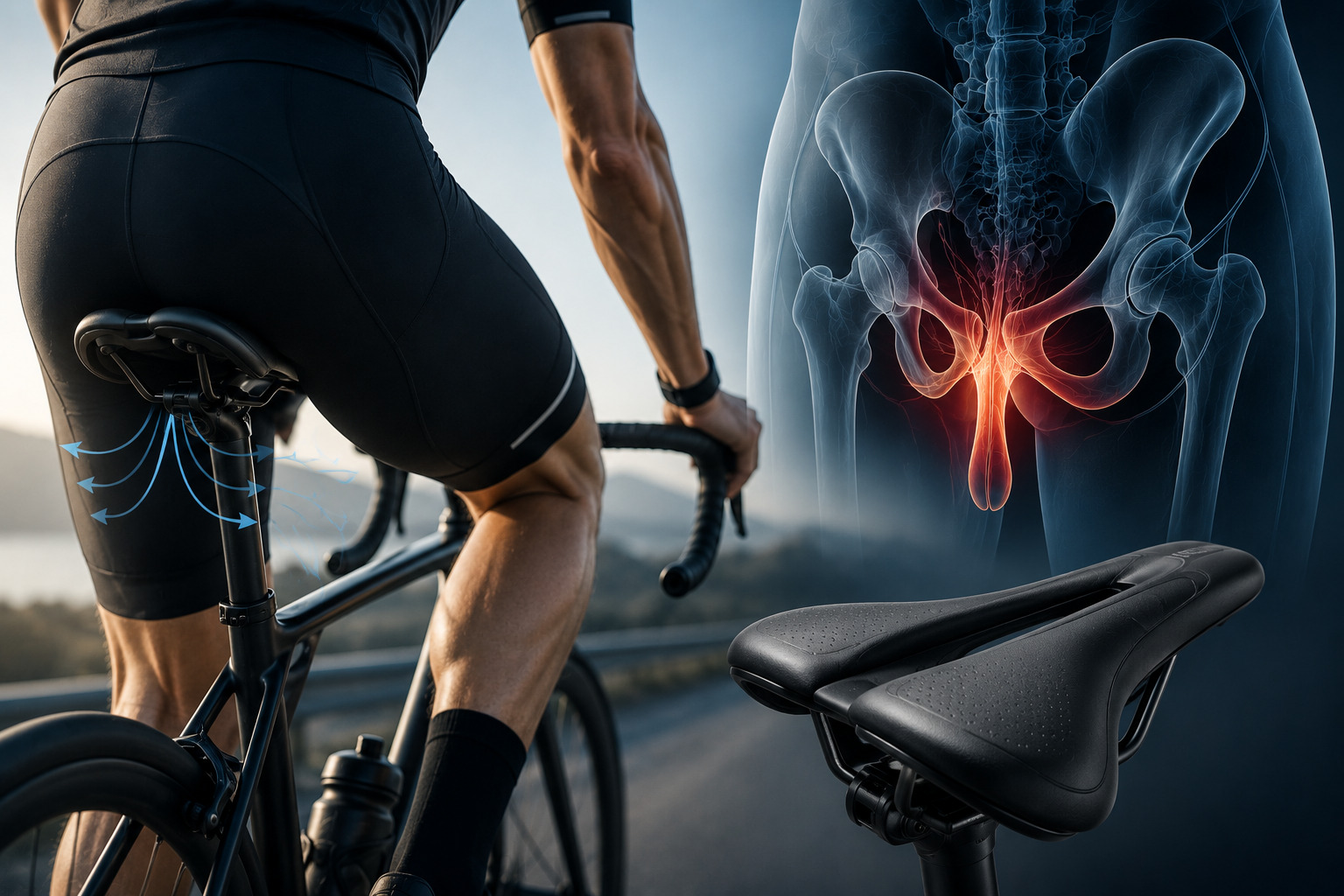
Cycling & Erectile Function: What Really Matters
Many men wonder whether cycling can affect erectile function, especially after long rides or frequent training. While cycling has often been linked to erectile dysfunction…

Many men wonder whether cycling can affect erectile function, especially after long rides or frequent training. While cycling has often been linked to erectile dysfunction…
Many men wonder whether cycling can affect erectile function, especially after long rides or frequent training. While cycling has often been linked to erectile dysfunction in the past, newer research paints a far more reassuring picture. For most men, cycling itself is not a direct cause of erection problems. In fact, regular exercise supports cardiovascular and urinary health, both of which are essential for healthy sexual function. However, prolonged pressure on the perineum, poor saddle design, and incorrect bike positioning may temporarily reduce blood flow and lead to numbness or discomfort.
Erectile dysfunction (ED) is the inability to achieve or maintain an erection firm enough for satisfying sexual activity. Although many people associate ED only with libido, erections depend heavily on healthy blood vessels, nerve function, and proper circulation to the penis.
Good cardiovascular health plays a major role in normal erectile function.
Conditions such as :
can negatively affect circulation. On the other hand, regular physical activity often improves vascular health and supports sexual performance.
For most men, the answer is no. Current studies do not show a strong link between cycling and long-term erectile dysfunction or infertility. In many cases, cyclists benefit from the positive cardiovascular effects of regular exercise.
Still, long hours on the bike with poor ergonomics, an unsuitable saddle, or excessive pressure on the perineum may lead to temporary symptoms. Some riders report numbness, reduced sensation, or mild erection changes after extended rides.
These symptoms are usually linked to temporary compression of nerves and blood vessels in the pelvic area. In most cases, they improve once bike setup and riding posture are corrected.
A large observational study published in The Journal of Urology compared cyclists, runners, and swimmers and found no worse erectile function among cyclists. Modern evidence suggests that the main issue is not cycling itself, but prolonged perineal pressure without proper ergonomic support.
The perineum is the area between the genitals and the anus. During cycling, a significant portion of body weight rests on this region, especially when saddle setup or posture is poor.
Excessive pressure can compress the pudendal nerve and nearby blood vessels involved in penile blood flow. This may cause temporary numbness, tingling, or discomfort.
Men who spend many hours cycling are more likely to notice numbness in this area. While symptoms are usually temporary, persistent numbness or changes in urination or erections should not be ignored.
The bicycle saddle is one of the biggest factors influencing pressure on the perineum. Traditional narrow saddles often place more weight directly over sensitive nerves and blood vessels.
Ergonomic saddles are designed to distribute pressure more evenly and improve comfort. Wider saddles, gel padding, and “no-nose” designs may help reduce compression and improve circulation during long rides.
Research suggests that properly designed saddles can reduce perineal pressure significantly, especially when combined with correct riding posture and professional bike fitting.
Saddles with a central cut-out or pressure-relief channel are generally considered more comfortable for long rides because they reduce stress on nerves and blood vessels. Anatomically shaped saddles also help distribute body weight more evenly.
Even the best saddle cannot compensate for poor bike setup. Proper bike fitting plays a major role in preventing discomfort.
The saddle should usually remain level with the ground or slightly tilted forward. If the nose points upward too much, pressure on the perineum increases. Saddle height also matters, as overextending the legs can place extra strain on the pelvis.
A handlebar position that is too low shifts excessive body weight forward and increases compression in the pelvic area. Professional bike fitting can improve weight distribution and reduce discomfort substantially.
Padded cycling shorts also help minimize friction and improve comfort during longer rides.
Frequent position changes help restore normal blood flow. Standing on the pedals for one or two minutes every 10-15 minutes can relieve pressure on the perineum and reduce numbness.
Occasional numbness after a long ride is not always dangerous, but some symptoms should not be ignored.
Persistent numbness, tingling in the genitals, perineal pain, difficulty urinating, or noticeable changes in erectile function should prompt a temporary break from cycling and evaluation by a urologist.
Symptoms lasting longer than two weeks, especially when combined with neurological changes or urinary issues, require medical assessment to rule out nerve injury or urethral problems.
The Urology4U team in Thessaloniki and Dr. Andreas Andreou, Urological Surgeon and Director of the 2nd Urology Department at the Interbalkan Medical Center of Thessaloniki, offer specialized urological evaluation for cyclists and active men experiencing symptoms related to erectile function, the perineum, and the urethra.
Most cycling-related symptoms are temporary and reversible with the right adjustments. Practical prevention includes:
Maintaining good overall fitness and pelvic muscle strength may also support healthy circulation and pelvic stability.
Current evidence shows that the benefits of cycling far outweigh the potential risks when done correctly. Cycling should not be viewed as a threat to erectile health, but as an excellent form of exercise that requires proper ergonomics and awareness of warning signs.

+ more

+ more

+ more

+ more